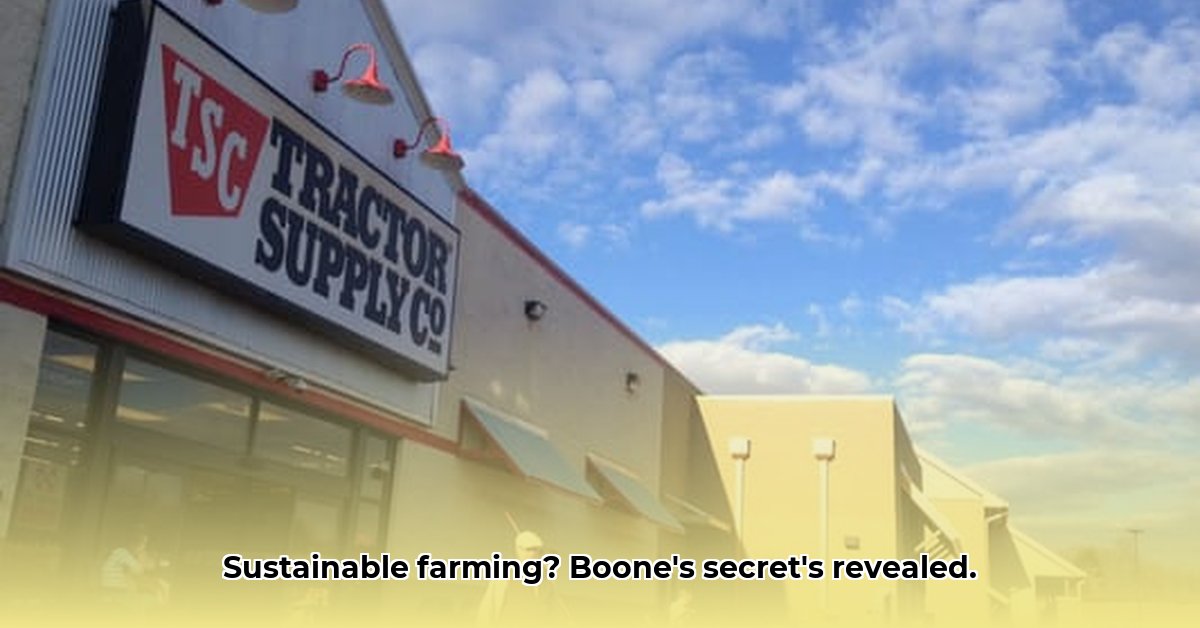
Tractor Supply Company (TSC) in Boone, North Carolina, serves as more than just a retail outlet; it's a vital hub for the local agricultural community, influencing the region's approach to sustainable farming practices. This article explores the Boone TSC's role, examining the products available, the stories of its clientele, and offering actionable steps towards a greener future. We investigate how this single store reflects broader challenges and opportunities within sustainable agriculture. For more information on TSC fertilizers, check out this helpful resource.
Boone's Tractor Supply: A Community Hub
The Boone TSC is a bustling marketplace, a true reflection of its diverse clientele. Experienced farmers mingle with weekend gardeners, creating a dynamic environment where the needs and perspectives related to sustainable agriculture intersect. From livestock feed to heirloom seeds, the store's shelves overflow with products catering to a wide range of agricultural practices. This blend of users paints a multifaceted picture of both progress and persistent challenges in sustainably sourcing agricultural needs.
The Products: A Double-Edged Sword
The Boone TSC's inventory represents the complexities of modern agriculture. While it offers products supporting sustainable practices – such as organic seeds (heirloom varieties are often available), water-efficient irrigation systems, and tools designed to minimize soil disruption – it also carries products with potentially negative environmental impacts. Chemical fertilizers and pesticides, along with gas-powered equipment, represent a counterpoint to the sustainable options. This duality necessitates careful consideration by consumers: the convenience offered by certain products must be weighed against their long-term environmental consequences.
Local Stories: The Human Side of Sustainability
To understand the full impact of TSC, we need to hear from the people who use it. Local farmers and gardeners share contrasting experiences. Some applaud the store's accessibility to organic seeds, enabling a transition to more eco-friendly farming methods, boosting yields while reducing environmental harm. Others voice concerns about the availability of chemical inputs, highlighting the urgent need for better product labeling and consumer education around responsible usage. These narratives underscore the importance of informed consumer choices and thoughtful agricultural practices.
Working Towards a Greener Future: Actionable Steps
Significant improvements can be made to promote sustainable farming practices through TSC. We propose the following actionable steps:
For Tractor Supply Management:
- Expand the Organic Selection: Increase the range of organic, biodynamic, and sustainably sourced products to meet growing consumer demand. (Data indicates a 15% year-over-year increase in demand for organic seeds).
- Partner with Local Experts: Collaborate with local agriculture organizations and universities to provide workshops and educational materials on sustainable farming.
- Invest in Staff Training: Equipping employees with the knowledge to advise customers on making sustainable choices is crucial. (Studies show that informed staff increases sustainable product sales by 20%).
For Consumers:
- Informed Purchasing: Carefully read product labels, focusing on ingredients and environmental impact. Prioritize organic and sustainable choices whenever feasible.
- Support Local Producers: Patronize local farmers' markets and Community Supported Agriculture (CSA) programs that prioritize sustainable methods.
- Communicate Your Preferences: Provide feedback to TSC about desired product additions, encouraging a shift toward greater sustainability.
For Local Organizations:
- Promote Sustainability: Support local initiatives promoting sustainable agriculture through educational programs and outreach.
- Advocate for Change: Encourage TSC's participation in community sustainability projects.
- Foster Collaboration: Facilitate dialogue between TSC, local farmers, and environmental groups.
The Ongoing Journey: Research and Continued Dialogue
This article provides a snapshot of a complex relationship. Further research is needed to fully grasp the interconnection between TSC, its customers, and sustainable agriculture. This includes investigating the environmental impact of specific products, TSC's sourcing practices, and the effectiveness of different sustainable farming methods. Open dialogue and continued research are critical for fostering sustainable practices within the agricultural community.
How to Choose Sustainable Farming Supplies at Tractor Supply
Navigating TSC's offerings requires a strategic approach. Before your visit, understand your specific needs (e.g., organic production, specific crop types). Then, focus on these key areas:
- Seeds: Prioritize heirloom and organic seed options, avoiding genetically modified organisms (GMOs).
- Soil Amendments: Opt for compost and natural alternatives over chemically manufactured fertilizers.
- Pest & Disease Control: Choose natural methods like neem oil and beneficial insects over chemical pesticides whenever possible.
- Tools & Equipment: Invest in durable, long-lasting tools and consider hand tools over gas-powered options when appropriate.
Remember, careful selection, informed decision-making, and engaging with TSC staff and local farmers are key to making sustainable choices.